2025 marked the first pilot year of the Tiny Forests Together (TFT) program, and what a groundbreaking start it was! Our goal with the TFT program has always been simple: to give communities the tools and support they need to grow a tiny forest of their own.
Even in its first year, the program showed us that a tiny forest is far more than a collection of trees – it’s a space where people can come together and take an active role in shaping their local landscape. One of the clearest lessons from the pilot year has been just how passionate our community in the National Capital Region is about protecting and growing these spaces. The overwhelming interest and engagement we’ve received has reinforced for us the importance of creating opportunities to foster hands-on experiences in nature.
From our very first planting site to the community connections that grew around it, 2025 laid the foundation for many more tiny forests, and communities that will thrive alongside them.
2025 Program Highlights
Community Representation
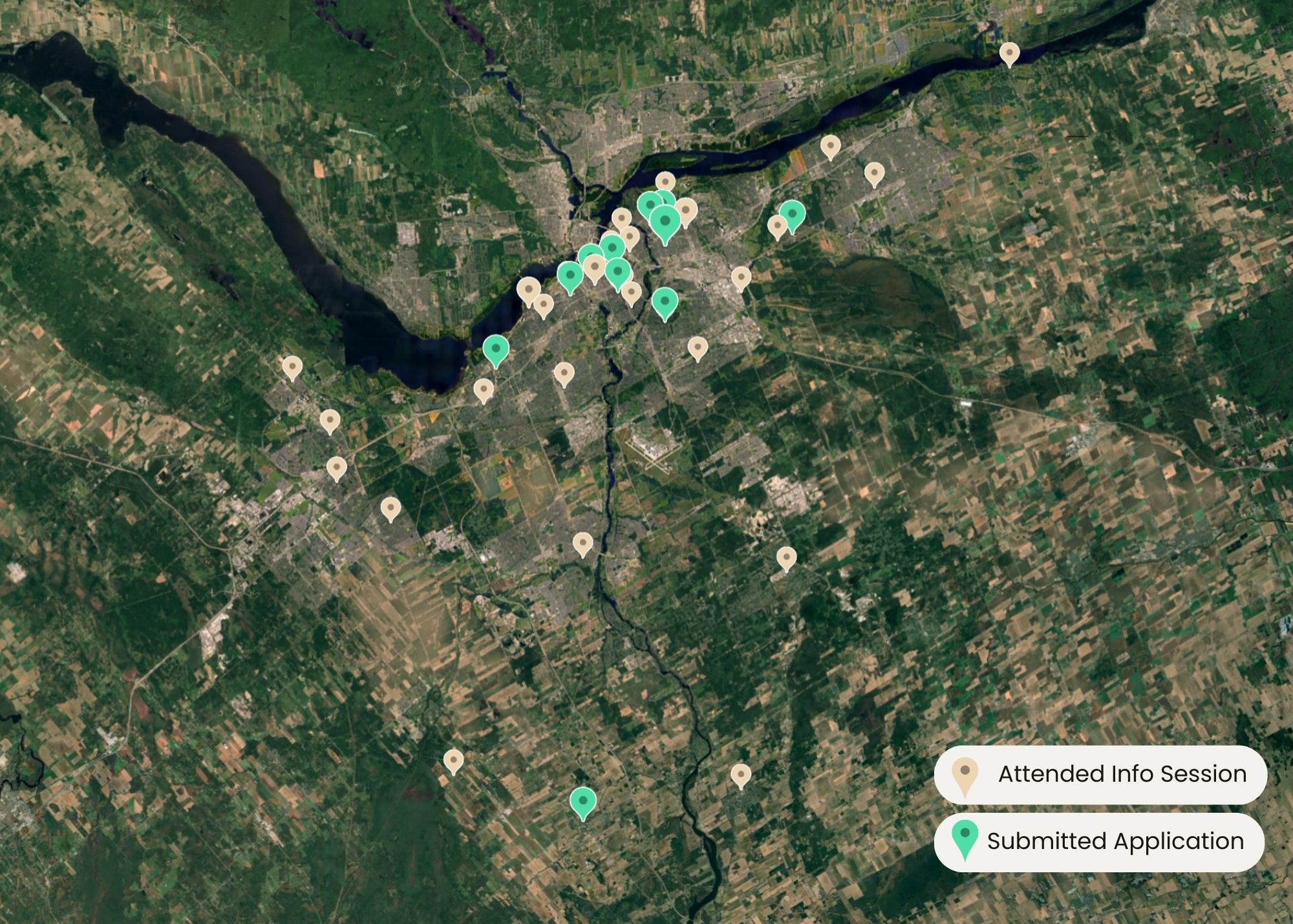
Interest in the Tiny Forests Together program quickly grew beyond our initial expectations: nearly 50 community representatives from over 40 different communities attended information sessions; 13 of these then went on to submit applications, highlighting a clear demand for spaces that support both ecological and community connectivity.
Project Themes
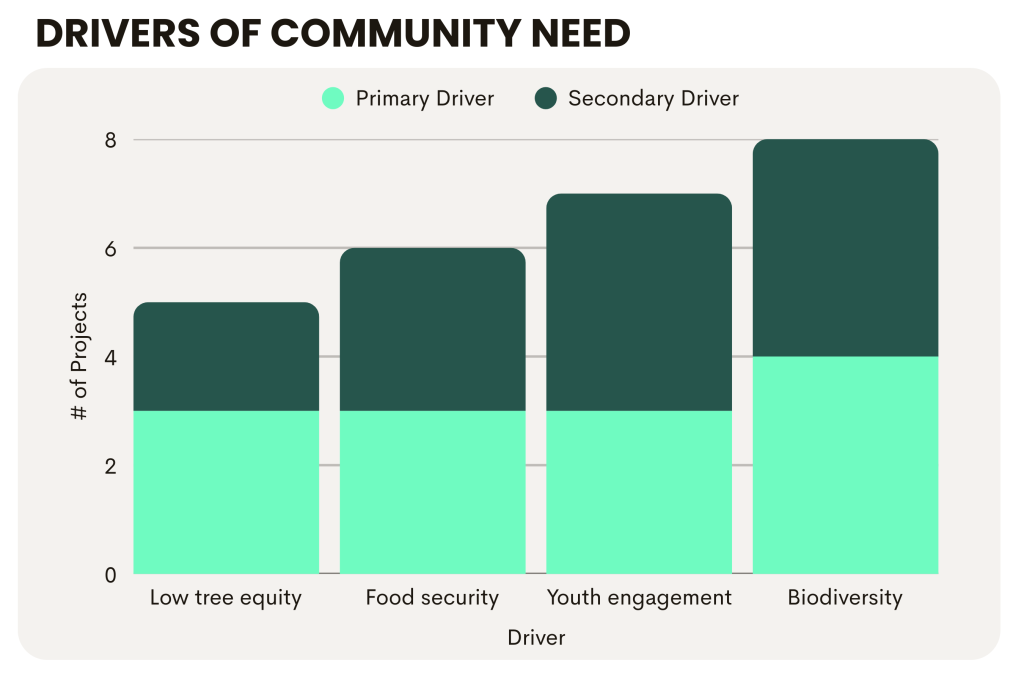
Applications reflected a range of community priorities, with strengthening local biodiversity as the highest driver across applications. Supporting youth engagement through hands-on environmental learning opportunities followed closely behind. Improving tree equity in neighborhoods with low canopy cover and food security initiatives were also two supporting themes. Together, these drivers demonstrated the demand for urban green spaces, and the wide variety of ways a tiny forest can support communities overall.
Application Status
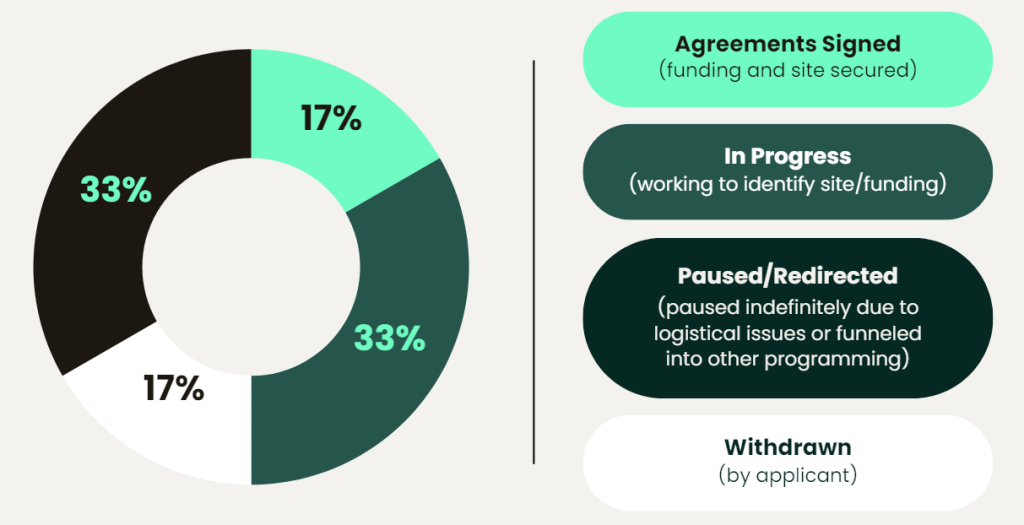
Out of the 13 applications we received from the program, we are working with 6 different community groups, either through signed agreements for confirmed projects (2 groups) or by identifying land, obtaining landowner permission, or securing funding for tentative projects (4 groups). Of the remaining applications, 4 applications have been paused or re-directed to other programming, and 2 applications were withdrawn or cancelled by the applicant.
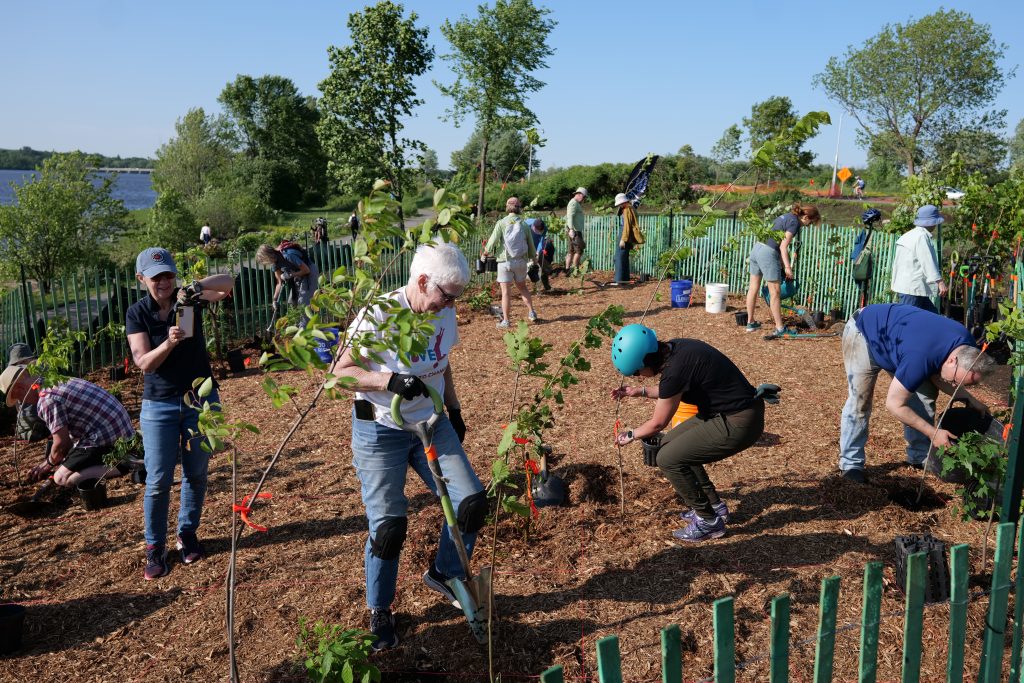
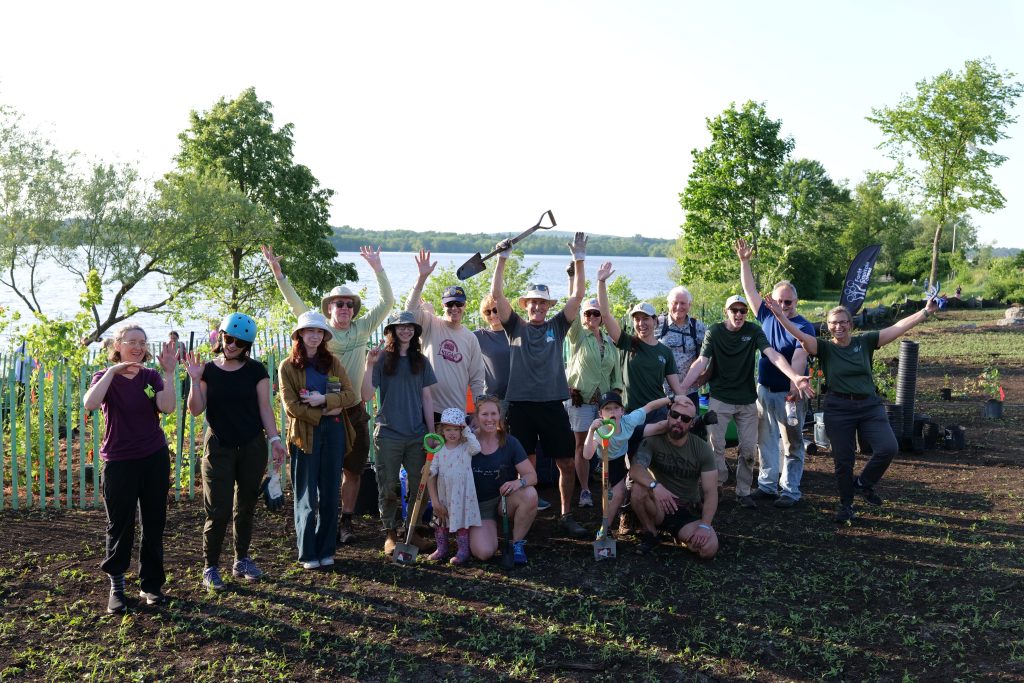
Westboro Beach Tiny Forest
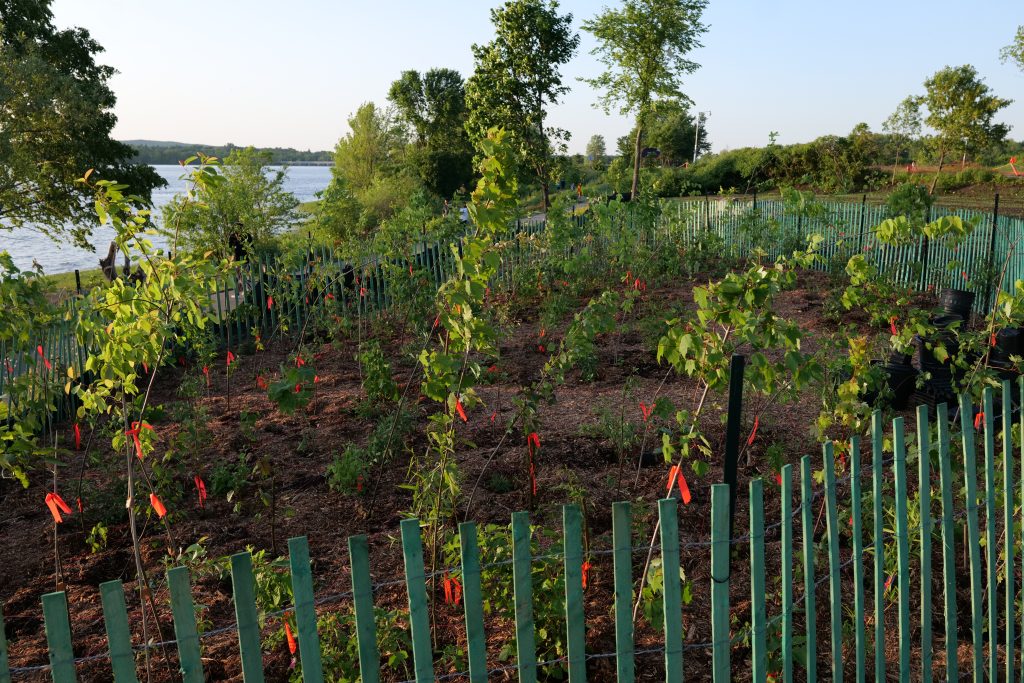
The biggest standout moment in 2025 was the program’s very first tiny forest planting at Westboro Beach. This site marked the beginning of what we hope will become a growing network of community-driven tiny forests across the NCR. 25 volunteers, partners, and community members came together to plant a 100 m² tiny forest, setting the tone for the kind of collaborative stewardship the TFT program is built around.
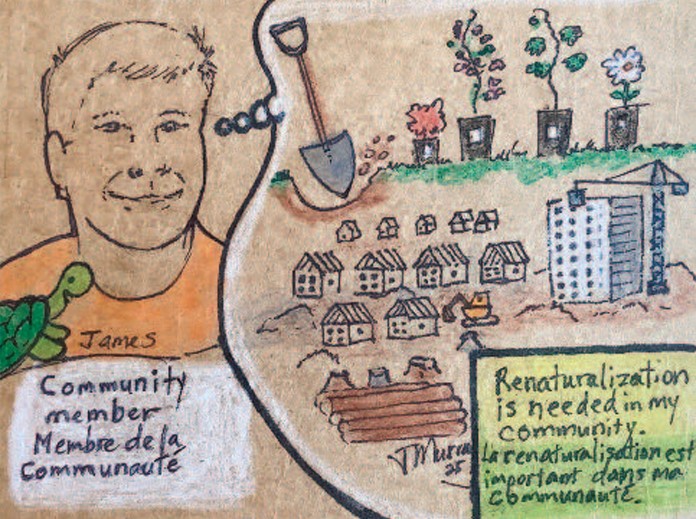
A Tiny Forest Origin Story
Curious about how the application process works? These illustrations by Findlay Creek artist and community member James Murray capture the journey, from the initial application to planting day!
Looking Ahead to 2026
The momentum from our pilot year will carry directly into the year ahead: an agreement signed with Rural Woodlands Ottawa aims to break ground in North Gower starting Spring 2026. We are also actively working toward an additional tiny forest in Greenboro, undertaken in partnership with the Greenboro Community Association. We are continuing work with other applicants from 2026 to identify potential sites and obtain landowner permissions.
As the program continues to grow, we look forward to supporting more communities in bringing tiny forests to life across the National Capital Region. With new partnerships forming and more sites continuing to take shape, we’ve also been hard at work preparing a few updates to the program.
Stay tuned for upcoming program changes!
We know that there are many people excited to know if we are re-opening the program for applications in 2026. The answer is… yes! More updates on the TFT program and an updated program guide will be shared April 1st!